
How did the Bible's teaching on the significance of blood fit in with the state of science at the time?How did the teaching of the Bible on the importance of blood fit in with the state of science at the time?
📖 Bible Verse (KJV)
> In the flesh is the life; and I have given it to you on the altar for an atonement for your soul; for it is the blood that maketh an atonement for the soul.
— Leviticus 17:11 (KJV)
📅 Approximate Year Written
Around 1445–1400 BC
Leviticus was written at the time that Israel was in the wilderness, following the Exodus from Egypt. It is filled with rules and principles provided by God about worship, holiness, health and community living.
🏛️ Historical Background
In Lev. 17, the emphasis is on the holiness of blood. The first time the word "blood" is used in the Old Testament, it refers to life, and it was used in the sacrificial system to symbolise atonement for sin. The Israelites were forbidden from eating blood, as it was sacred.
Leviticus 17:11 is a theological statement in that it explains that life belongs to God and that blood was central to the worship of the Israelites. But the phrase: "the life of the flesh is in the blood" has also been noted due to the fact that contemporary medicine knows that blood is an important factor in keeping the body alive.
🌍 What People Believed Then
In the ancient world, people knew that heavy bleeding sometimes resulted in death but didn't realize the role of blood in the human body.
There were many civilizations that used primitive medicine. In later history, a common practice was bloodletting; removal of blood from patients, supposed to cure disease. This was done for centuries and frequently patients became weaker or even died as the proper role of blood was not known.
But the Bible treated blood as valuable and life because it always talked about blood as the source of life.
🔬 Modern Scientific Understanding
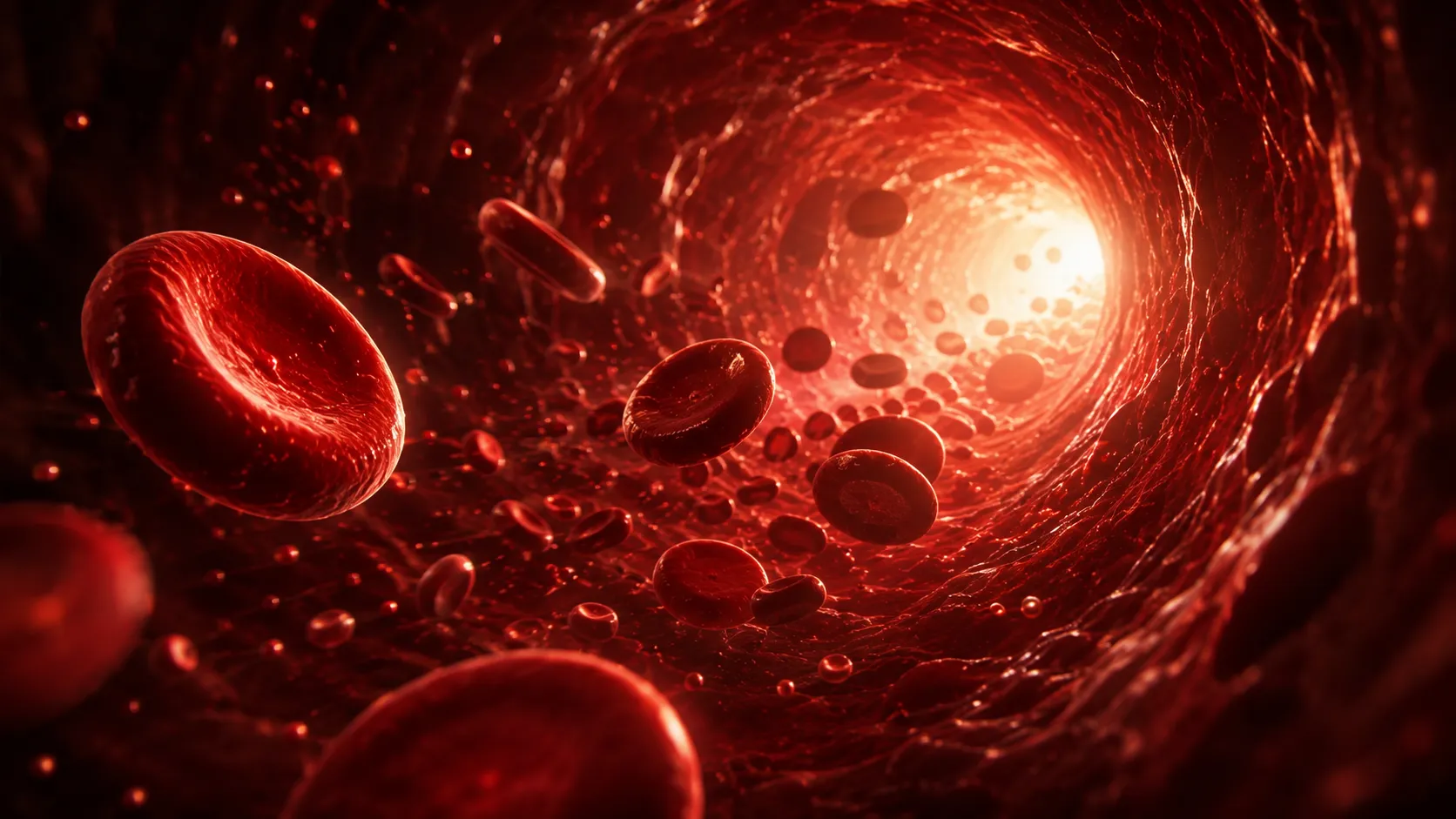
In modern medical science, it is established that blood is vital to life.
Blood is involved in a variety of important processes:
Carries oxygen to all the cells of the body.
Equips with nutrients for growth and repair.
Carries carbon dioxide and wastes away.
Enables the transport of hormones around the body.
Aids in temperature control.
Defends against infections, using white blood cells.
Makes blood clots to prevent bleeding after an injury.
The average person has 5 liters or 1.3 gallons of blood in their system. If blood doesn't flow around the body, the organs will not get oxygen and nutrients, and will die within minutes.
Blood is one of the most important systems of the body and is recognized as such by modern medicine.
🚀 Real-World Example
Hospitals in all over the world conduct blood transfusion daily, which saves lives.
Donated blood maintains oxygen flow in the body during serious accidents, big surgery, childbirth complications, cancer treatments, and organ transplants and this is why people who don't get donated blood survive.
The World Health Organization (WHO) says that people donate over 118 million pints of blood worldwide every year, which saves millions of lives.
In modern times, blood tests are also essential to the medical field. Blood tests are used by doctors to diagnose infections, diabetes, heart disease, anemia, and various other diseases.
💡 Easy Explanation
Imagine that blood is the body's means of transportation.
Your heart circulates blood around thousands of kilometers of blood vessels every second.
Blood carries oxygen and nutrients to all organs, and removes wastes.
The brain, heart, lungs, kidneys and all other organs would soon cease to function if there was no blood.
As roads go to every city, so blood goes to every cell in your body for nourishment so you can live.
🤯 Did You Know?
The human heart pumps around **100,000 times a day.
The blood circulates around about 96,000 kilometers (60,000 miles) in the body.
The lifespan of red blood cells is approximately 120 days before they are replaced.
Your body makes approximately that many new red blood cells every second.
The human blood consists of number of millions of red blood cells in every drop of blood.
🔍 Scientific Consensus
Today, medicine has no doubts about the vital function of blood in life.
Blood is studied by scientists in terms of its anatomy, physiology, and biochemistry, but not in theological terms. The law of Levi 17:11 was not intended to be a medical lesson, but to give an understanding of the spiritual meaning of blood in the sacrificial system of Israel.
However, the importance of blood to life is highlighted in the verse, a notion that is consistent with modern biology.
🙏 Spiritual Reflection
Leviticus 17:11 is instructive in more than just biology, it's instructive in redemption.
In the Old Testament, blood was used to represent the life that is sacrificed. The theme ultimately leads us to the greatest act of forgiveness and reconciliation with God which is described in the New Testament as the sacrifice of Jesus Christ.
The verse reminds the believers that life is precious, it is a gift of God. As blood provides physical life, Christians believe that Christ provides spiritual life by His sacrifice.
📌 Key Takeaway
The many uses of blood were not known to modern medicine until thousands of years before, Leviticus states, "the life of the flesh is in the blood. The verse was originally intended to provide a new understanding of what the blood has to do with worship, but today, science also tells us that blood is essential to keep us alive.
📚 References
Scripture
Holy Bible, King James Version (KJV):
* Leviticus 17:11
* Genesis 9:4
* Hebrews 9:22
* Matthew 26:28
Medical Sources
Blood Safety and Availability (1) – World Health Organization (WHO)
T. American Red Cross – About Blood
3. Blood Basics - National Institutes of Health (NIH)
4. Encyclopaedia Britannica – Blood
In 5., Merck Manual – Components and Functions of Blood, students will examine the components and functions of the blood.
Historical Sources
1. New Bible Dictionary
2. The books of the Bible that have been integrated into these drawings.The books of the Bible that have been incorporated into these drawings.
3. Encyclopaedia Britannica – Leviticus
Encyclopaedia Britannica – History of Medicine
Classification
Biblical Statement: Leviticus 17:11
Blood is necessary to life (Established Medical Science).
The main use of Leviticus 17:11 is theological, to justify the significance of blood in Israel's sacrifice system. It is worth noting that its assertion that "the life of the flesh is in the blood" is in line with the central role of blood in modern medicine.